


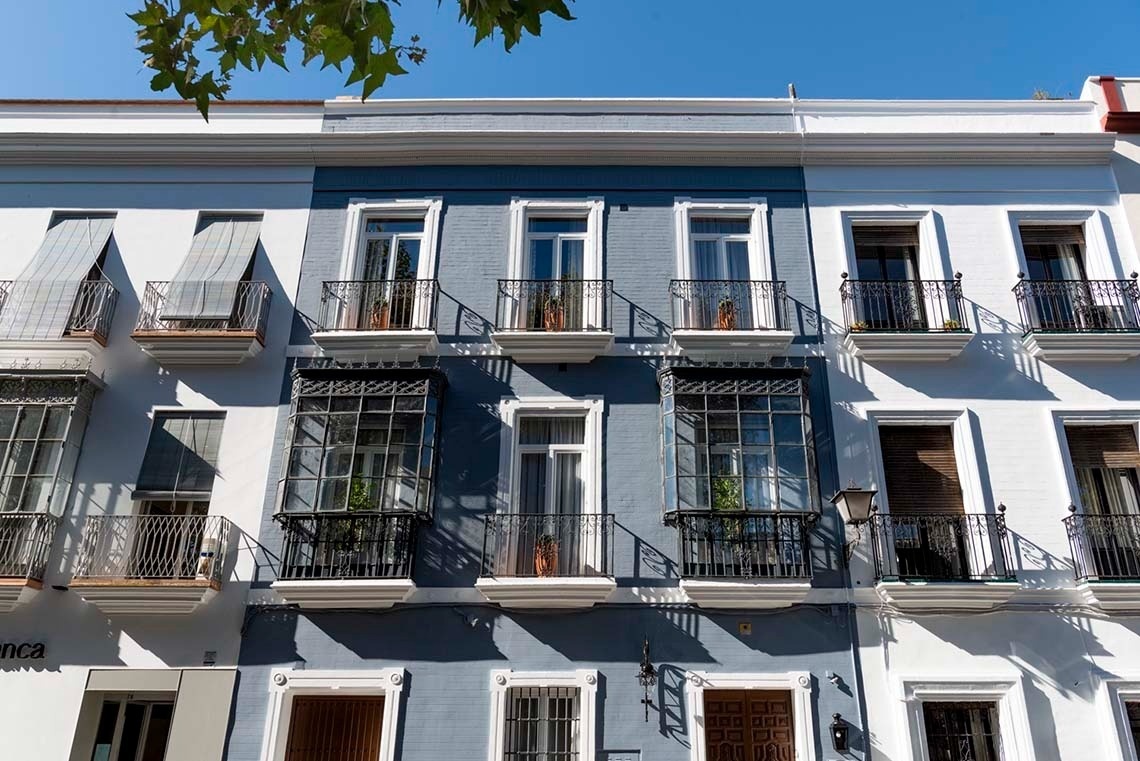
Buildings That Breathe: What It Feels Like to Sleep in a House Over 100 Years Old
There are buildings you visit.
And there are buildings that welcome you.
Sleeping in a house that is more than one hundred years old is not about age or nostalgia. It is a physical experience, almost intimate. Something you feel without quite knowing how to explain it, but that the body recognizes from the very first moment.
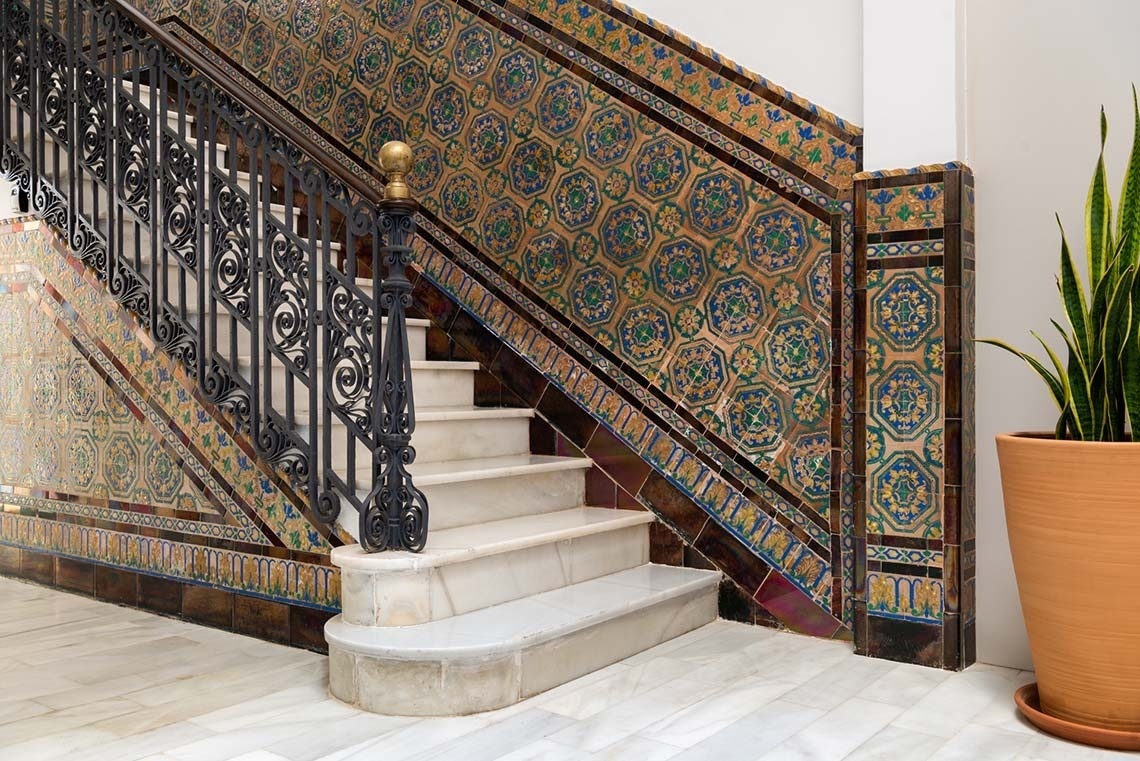
The first impression is not always visual
Before looking, you feel.
The air is different. Warmer. Still.
Footsteps sound different, as if the space softened movement. There is no rush. No excessive echo. Everything seems to have been in its place for a long time.
These houses do not need to impose themselves.
They have presence.
Light as a language
In old houses, light is not designed to impress, but to accompany. It does not burst in. It filters in. It settles. It changes throughout the day.
In the morning, the sun slips in respectfully, drawing soft shadows on walls that have seen many seasons pass. At sunset, the low light turns golden, almost liquid.
There is no rush to turn on a lamp.
The day says goodbye on its own.

Spaces designed to breathe
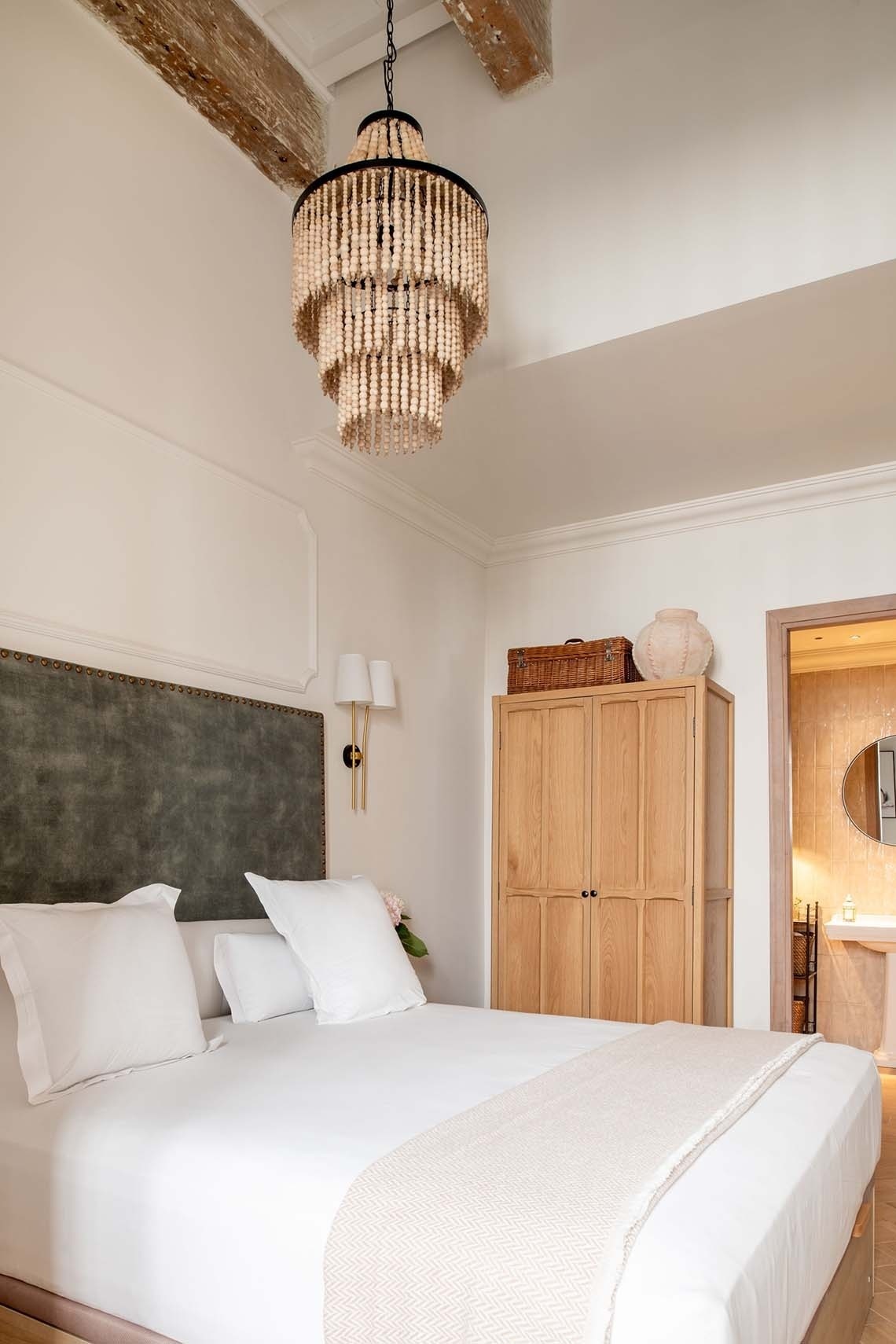
High ceilings are not an aesthetic luxury. They are a way of understanding space.
Large rooms, thick walls, and generous proportions allow air to circulate and the body to relax.
Here, not everything is optimized.
And precisely because of that, everything works.
You sit differently. You walk more slowly. You lie down without urgency.
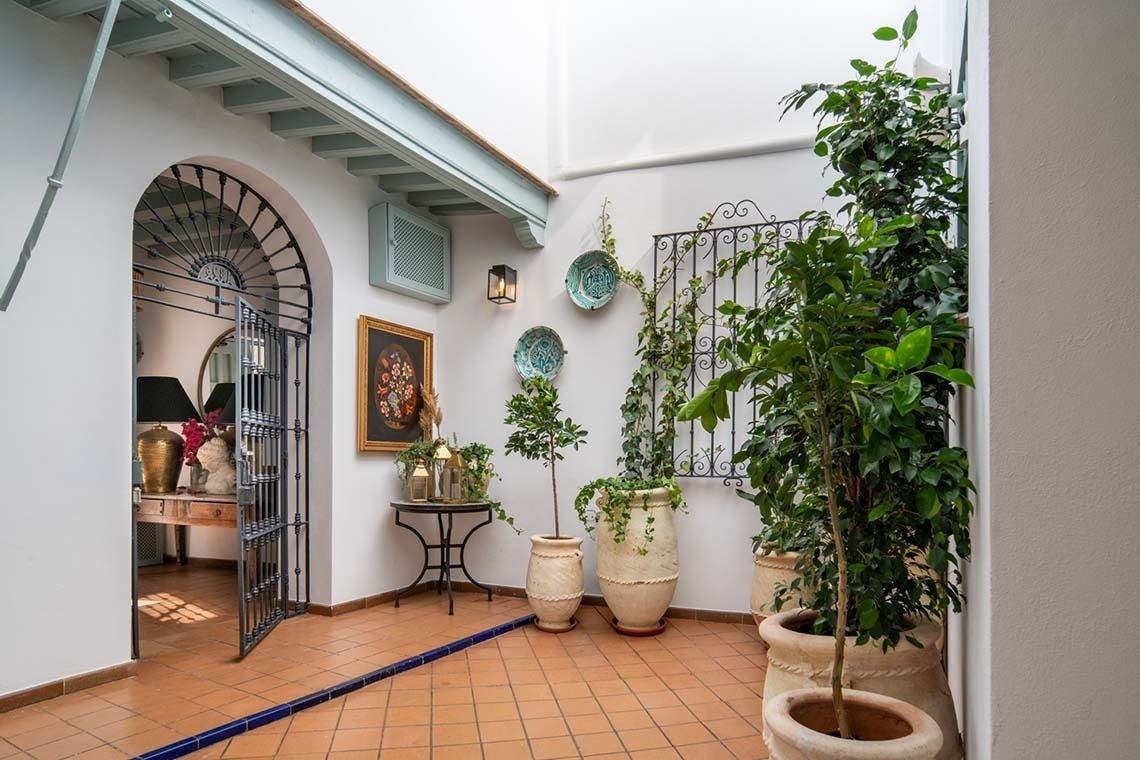
The patio: the heart that organizes everything
Even when it is not always visible, the patio is there. Regulating temperature, sound, and light.
It is the invisible center around which the house revolves. A place of passage, encounter, and pause. A space where time seems to hang suspended.
Even when you do not step into it, its presence is felt.
Like a constant pulse.
Memory that does not weigh you down
Sleeping in a house with history does not mean carrying the past.
Quite the opposite.
These houses do not demand attention. They do not require being understood. They simply are.
The walls have heard conversations, laughter, silences. They have witnessed other lives, other rhythms. And perhaps that is why they do not judge. They accompany.
There is a sense of continuity that is surprisingly comforting.
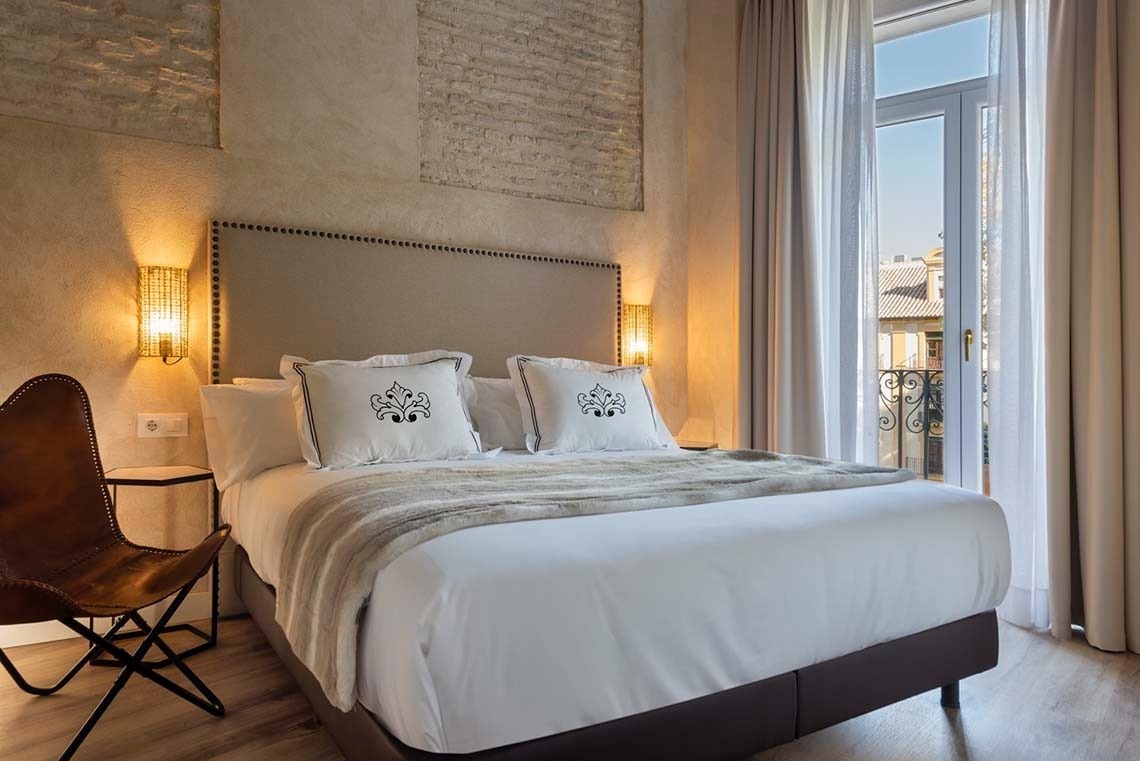
Sleeping in a different way
Rest arrives sooner. Deeper. Calmer.
Not because the bed is different, but because the surroundings invite you to lower your inner volume. The building does not push. It does not distract. It does not accelerate.
Sleeping in a house over one hundred years old is sleeping with time.
To inhabit, not just to stay
At Época Suites, we believe that traveling is not only about moving, but about inhabiting.
And that some houses, when cared for with respect, retain the ability to offer something more than just a place to spend the night.
They offer calm.
They offer memory.
They offer a different way of being.
Because there are buildings that are not only preserved.
They keep breathing.