


Checking the availability of your search

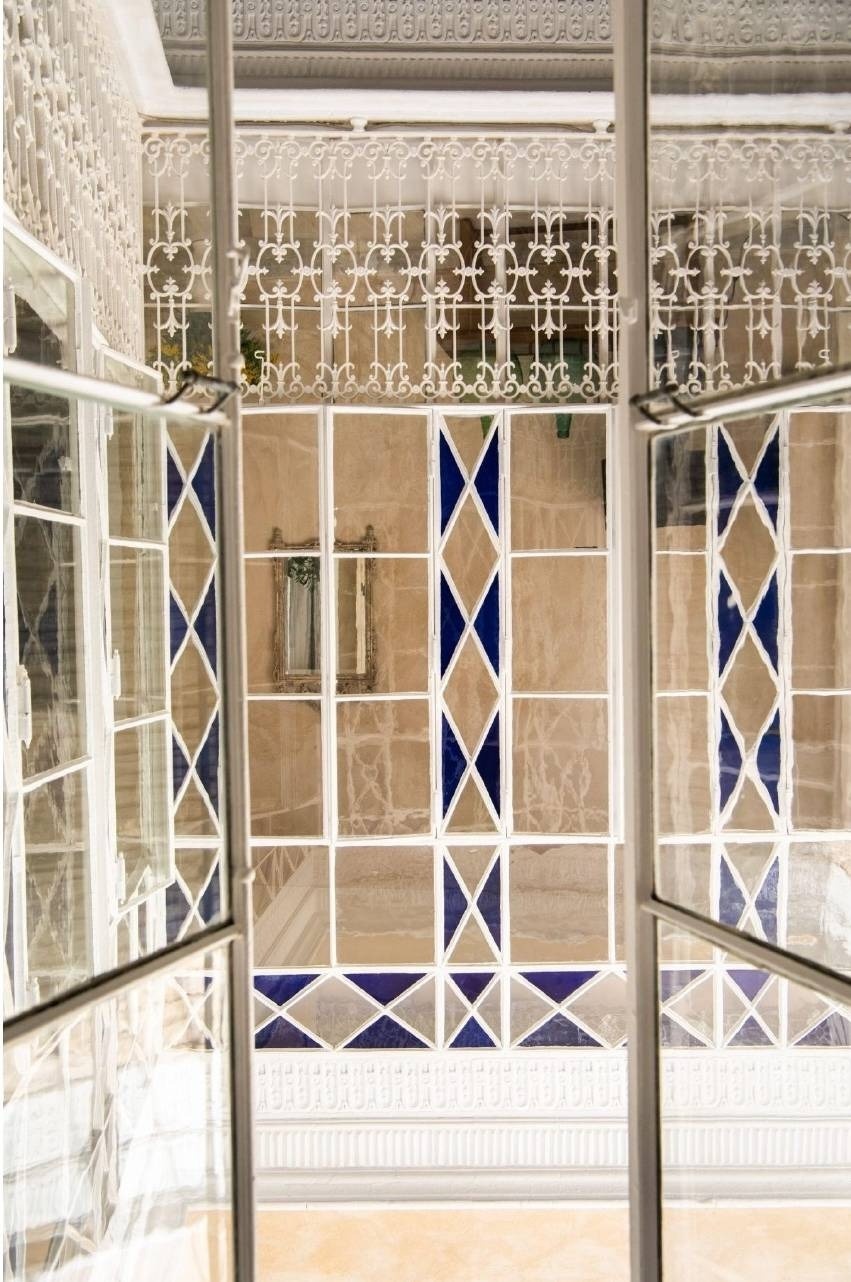
Designed for curious travelers and lovers of art and architecture, this article reveals the unique and almost invisible details hidden in our historic homes. A tribute to the past that lives on among centuries-old walls, arches, and floors.
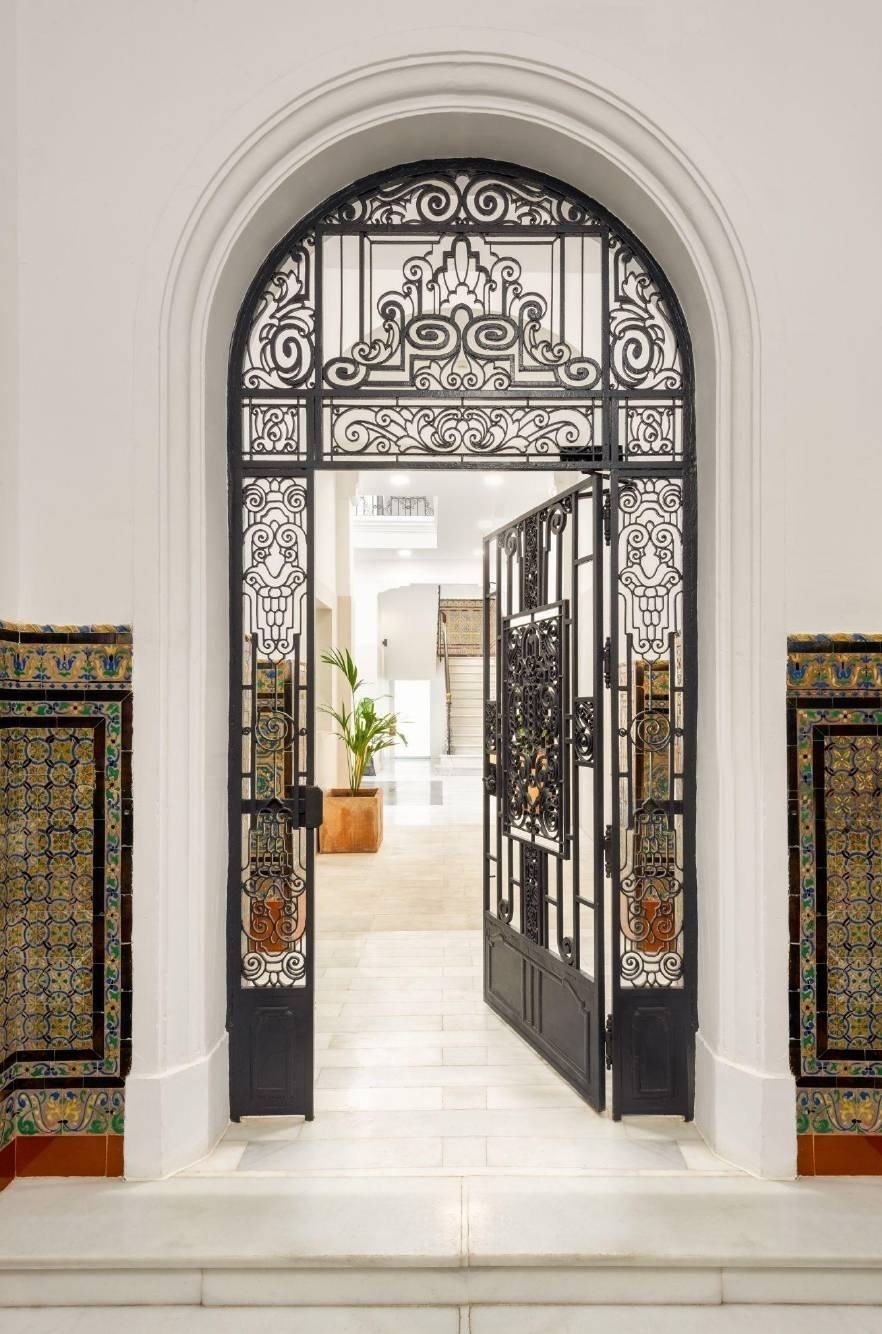
Those who stroll through Seville often admire its grandeur: the Giralda, the Royal Alcázar, the Plaza de España... But there is another kind of heritage, more intimate, more silent. An "invisible heritage" hidden in the historic houses of the old town, perceptible only to those who know how to look.
At Época Suites, we believe that true beauty lies in those architectural secrets that don't appear in any tourist guide, but that are as meaningful as any cathedral.
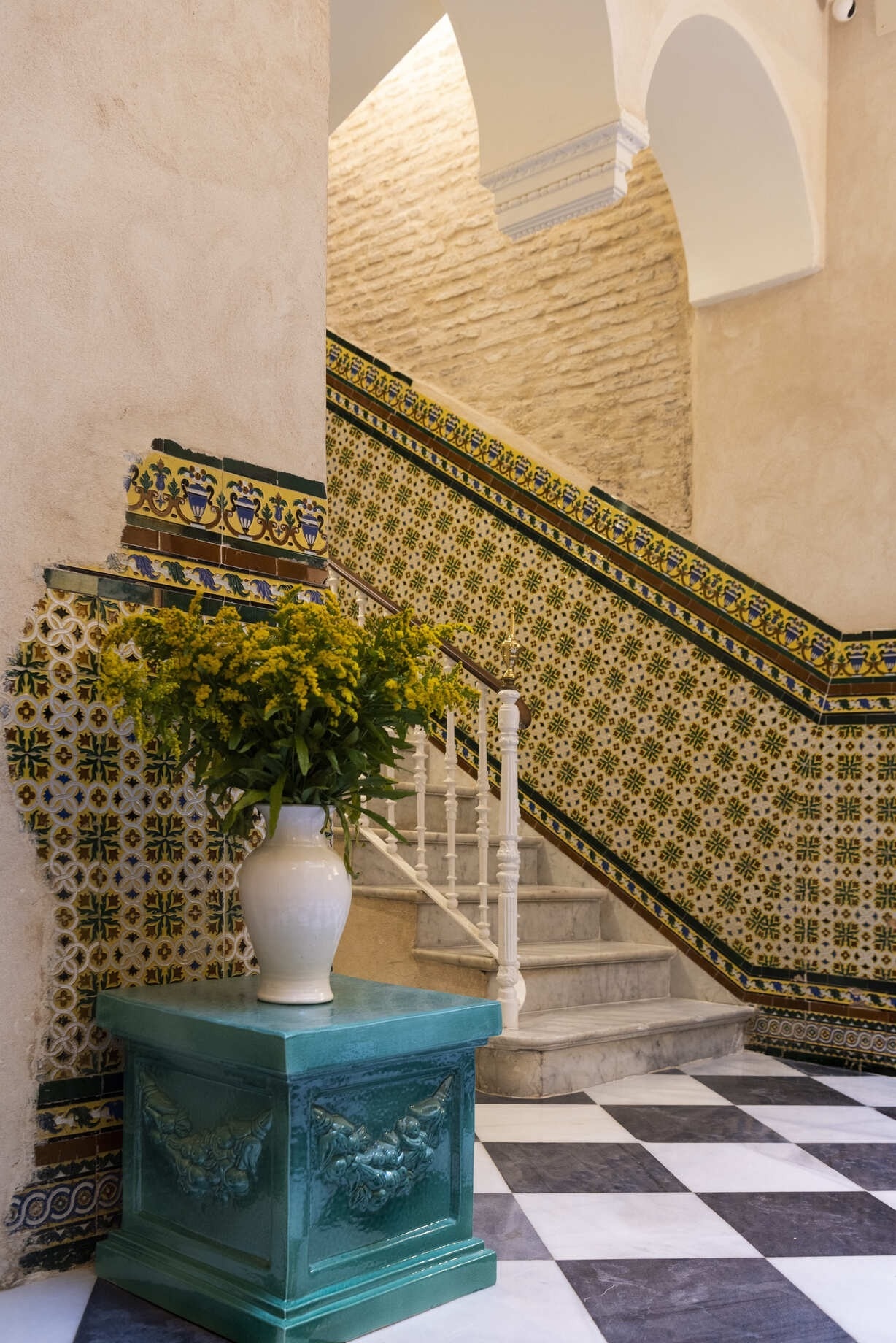
In this 1928 gem , renovated by Juan Talavera y Heredia, history is hidden in:
Few notice it, but on one of the restored beams leading up to the tower, there is an original inscription dated 1929 written by the same workers who built the house.


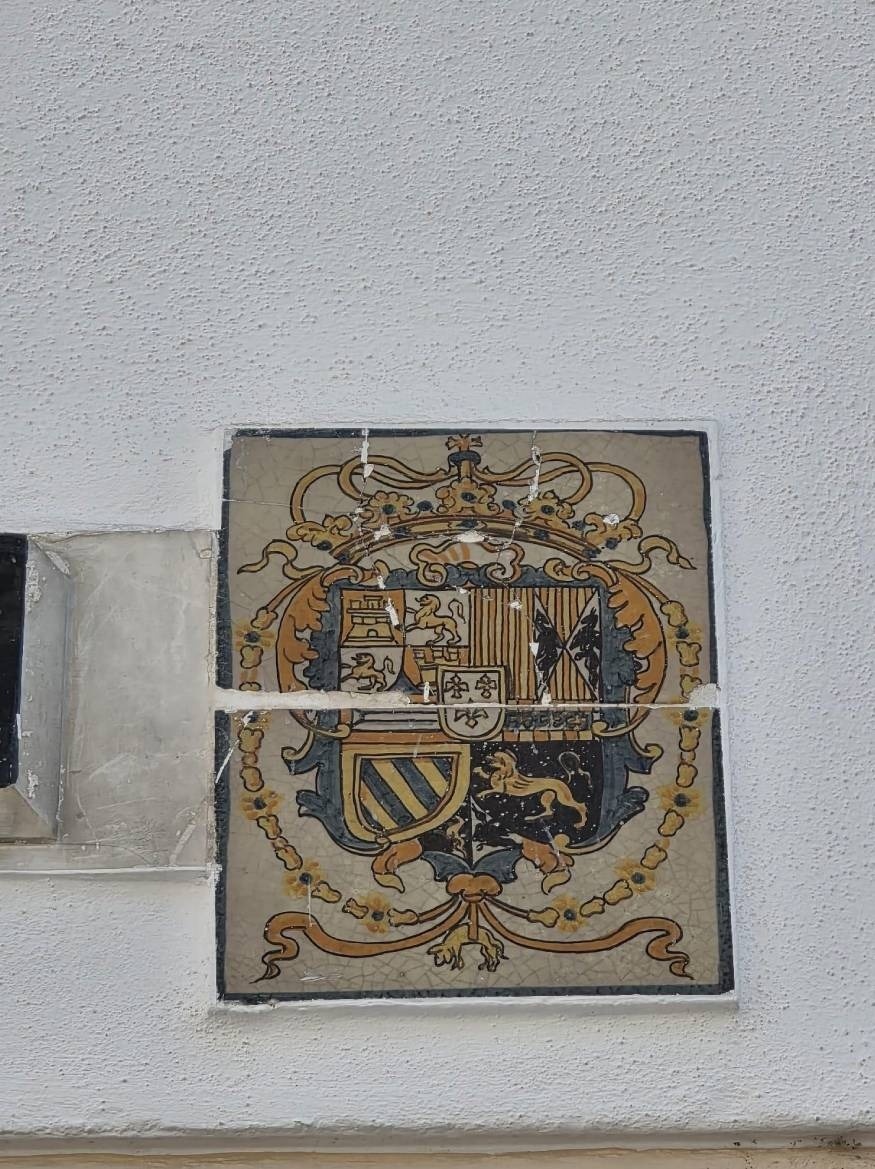
This house takes its name from the Contractor of the Indies and bears architectural nods to that maritime past. This property belonged to the Reales Alcázares and the royal patrimony until 1932, as indicated by the coat of arms on the entrance door.


This 19th-century house exudes nineteenth-century elegance, but also secrets:
A living museum without showcases.
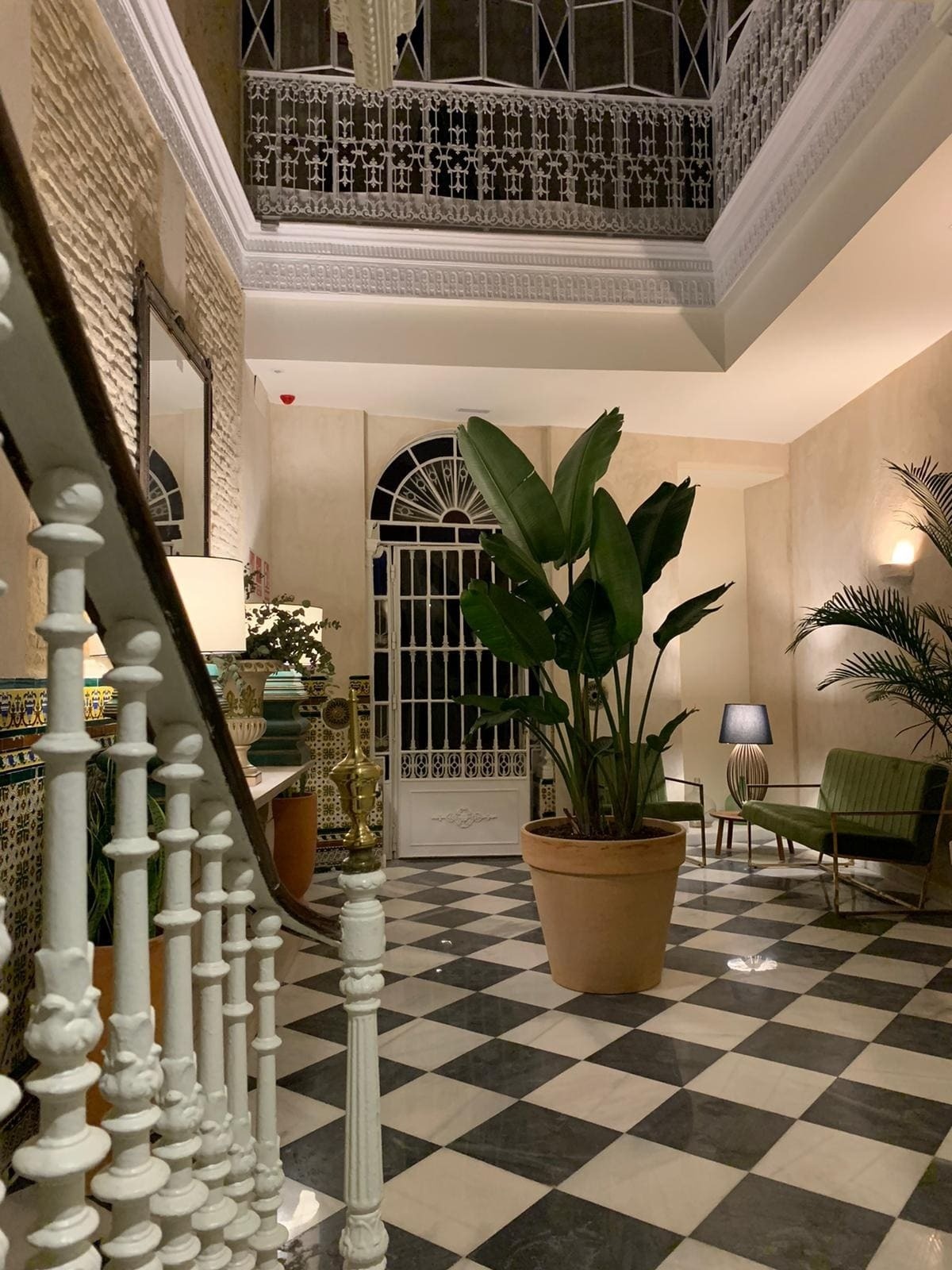
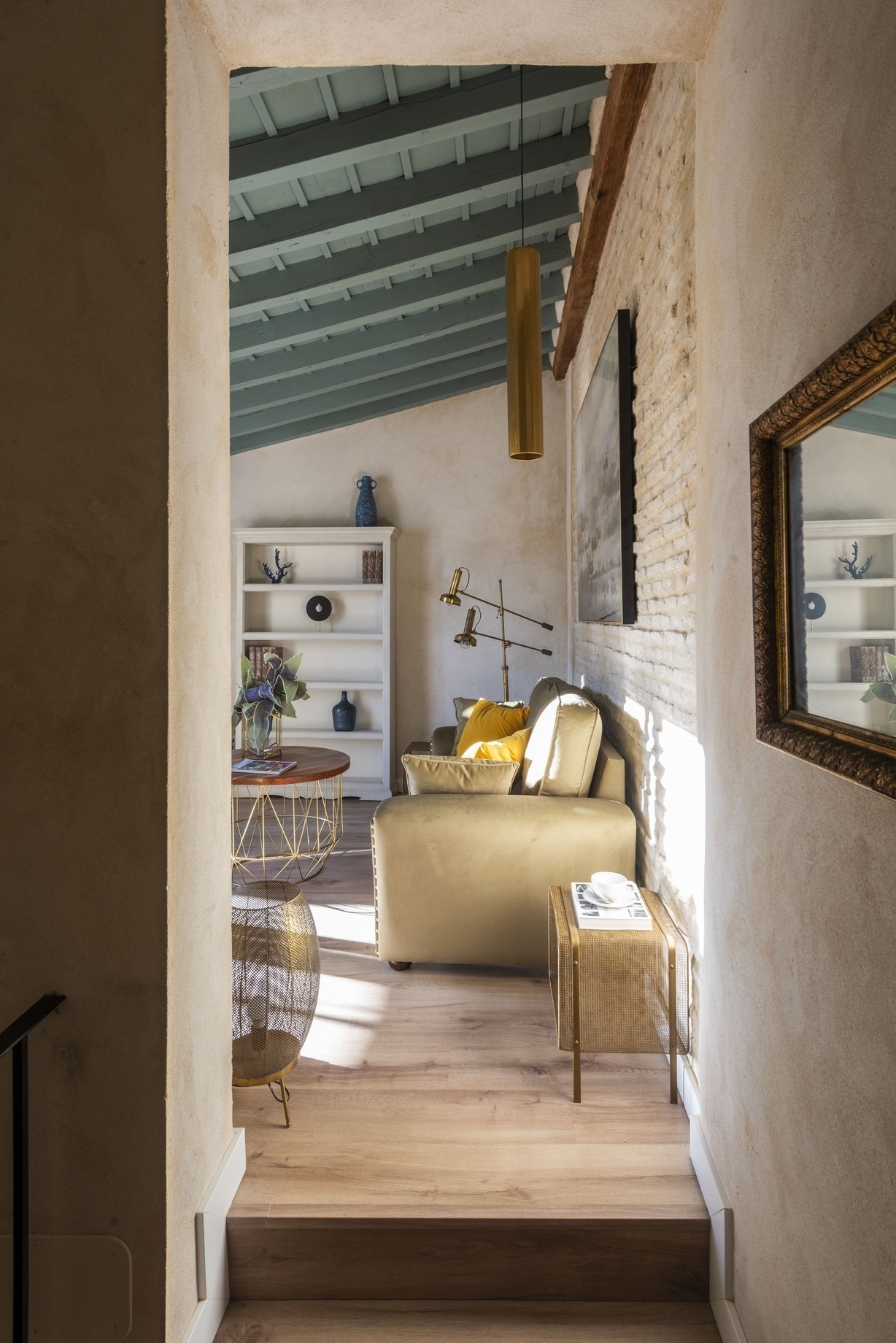
This house is an example of Sevillian architecture by Aníbal González himself from the 1920s, with exquisite details that could go unnoticed:
Few accommodations in the city retain so many original details in such good condition.
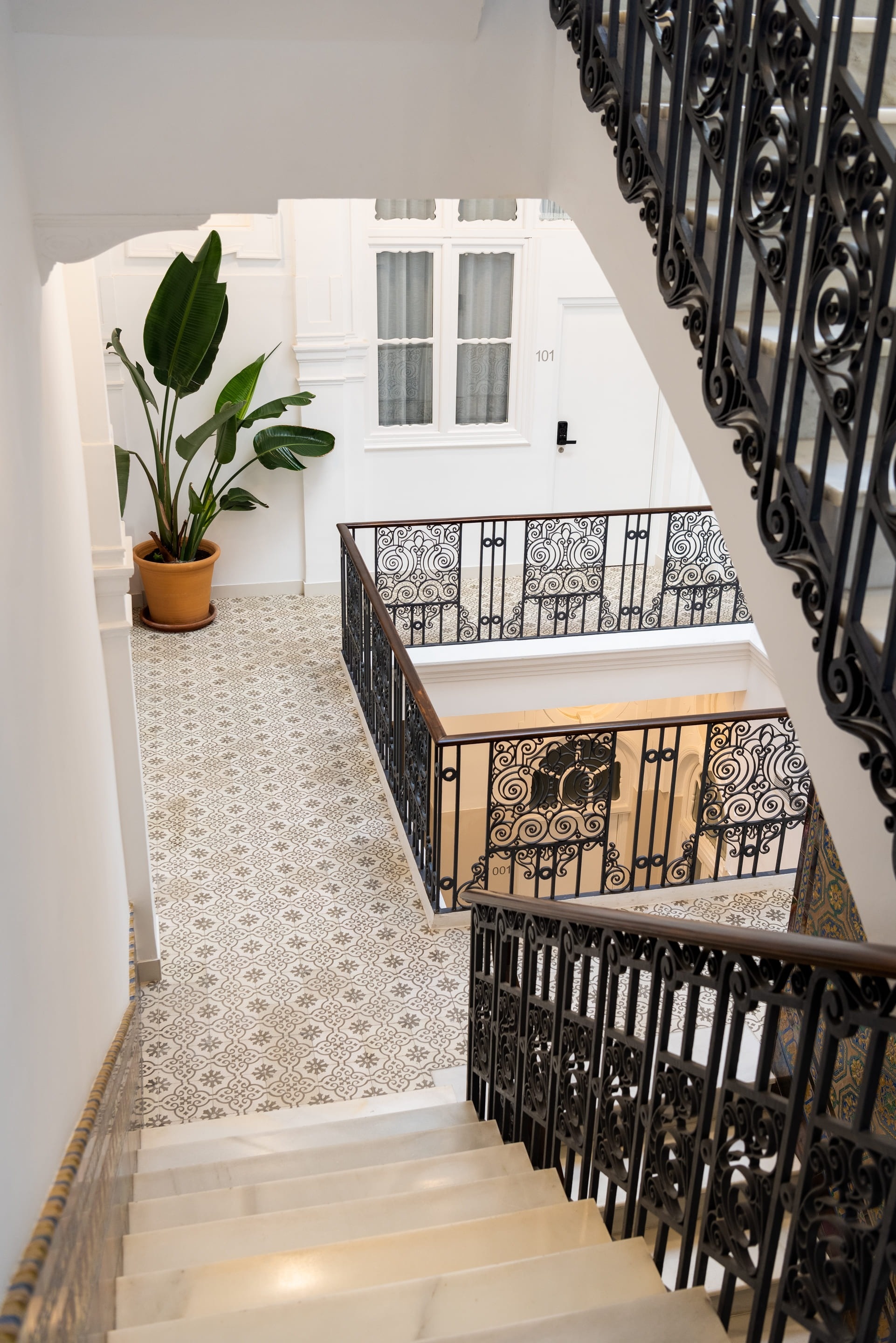

In the heart of Triana, this house captures the popular spirit of the neighborhood without losing its nobility:
It is a place where you can breathe authenticity and see time pass between details.

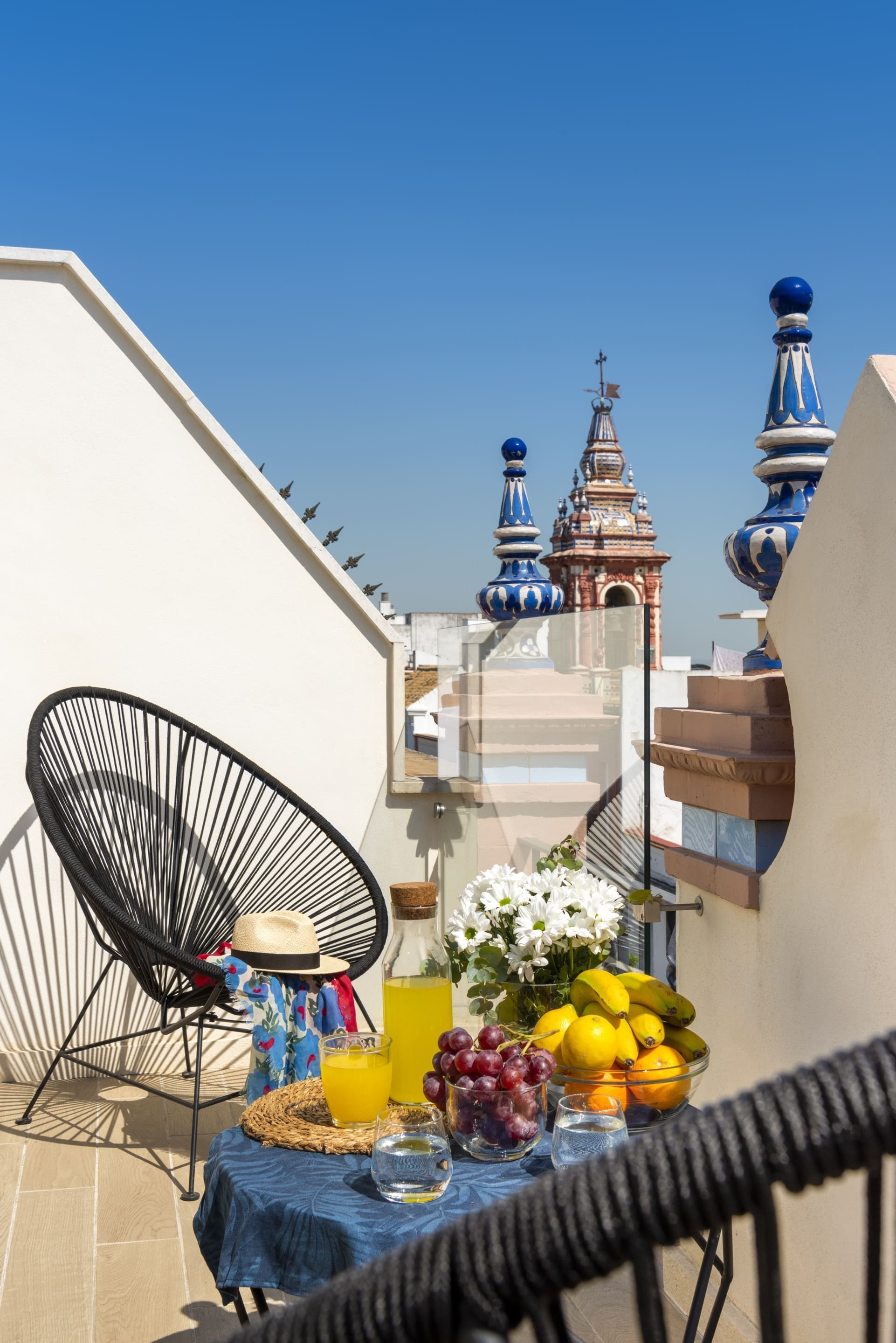
At Época Suites, we don't just restore houses: we rescue stories.
We've carried out each renovation with the intention of preserving the traces of the past, integrating its marks, irregularities, and secrets as part of the experience. Because we believe that today's travelers value truth, authenticity, and imperfection with soul.
Every preserved beam, every salvaged tile, every stonemason's footprint is part of the story our guests experience when they walk through the door.
Come discover Seville's invisible heritage by staying in a house with soul. Book your next stay with Época Suites and be part of a story that isn't written... it's lived in.